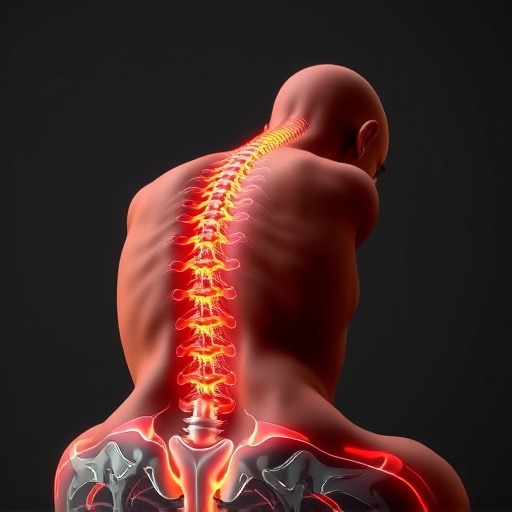
Chronic Pain Management Chiropractor Frisco: Navigating a Holistic Approach to Wellness
Introduction
In the quest for optimal health and wellness, chronic pain management has emerged as a critical aspect of modern healthcare. Among the various disciplines contributing to this field, Chiropractic care specifically focused on Frisco, Texas (and similarly named locations), offers a unique and holistic approach to addressing chronic pain. This comprehensive article delves into the intricacies of 'Chronic Pain Management Chiropractor Frisco,' exploring its definition, global impact, economic implications, technological innovations, regulatory landscape, challenges, real-world applications, and future prospects. By examining these facets, we aim to provide an in-depth understanding of this specialized field and its role in transforming lives worldwide.
Understanding Chronic Pain Management Chiropractor Frisco
Definition and Core Components
'Chronic Pain Management Chiropractor Frisco' refers to a specialized branch of chiropractic care that focuses on the prevention, diagnosis, and treatment of chronic pain conditions. Chiropractic professionals in this domain utilize a combination of manual adjustments, therapeutic techniques, lifestyle modifications, and patient education to alleviate prolonged, persistent pain. Unlike acute pain, which serves as a warning signal for potential harm, chronic pain persists long after the initial injury or illness has healed.
The core components of Chronic Pain Management Chiropractor Frisco include:
- Assessment and Diagnosis: Chiropractic practitioners conduct thorough assessments, employing various techniques such as orthopedic testing, neurology examinations, and diagnostic imaging to identify the root causes of chronic pain.
- Customized Treatment Plans: Each patient's treatment is tailored to their specific needs. Treatment modalities may include spinal manipulations or adjustments, soft tissue therapy, exercise prescription, dietary recommendations, and stress management techniques.
- Holistic Approach: This field emphasizes the interconnectedness of the body, mind, and spirit. Chiropractors consider not only physical symptoms but also factors like sleep quality, nutrition, emotional well-being, and environmental influences that may contribute to chronic pain.
- Patient Education: Empowering patients with knowledge about their condition is a key aspect. Chiropractors educate individuals on self-care strategies, proper posture, ergonomics, and lifestyle changes to actively participate in their pain management.
Historical Context
The history of chiropractic care dates back to the late 19th century when Daniel David Palmer founded it as a distinct healthcare profession. Initially focused on spinal adjustments to alleviate vertebral subluxations, the scope of practice has evolved significantly. Over time, chiropractic care has expanded its evidence-based approach, incorporating research and technological advancements to address various health concerns, including chronic pain.
Chronic pain management specifically within the chiropractic domain has gained momentum in response to the growing recognition of chronic pain as a significant public health issue. The World Health Organization (WHO) defines chronic pain as "pain that lasts for more than 12 weeks." This definition underscores the distinction between acute and chronic pain, guiding healthcare professionals in their treatment approaches.
Global Impact and Trends
International Influence
'Chronic Pain Management Chiropractor Frisco' has made significant inroads globally, contributing to the broader movement toward holistic and alternative pain management practices. The World Health Organization's (WHO) Global Strategy on Healthcare for All highlights the importance of integrating traditional and complementary medicine, including chiropractic care, into primary healthcare systems worldwide.
Key Trends Shaping its Trajectory:
- Growing Acceptance: There is a rising acceptance of chiropractic care as a legitimate treatment option for chronic pain, especially in regions with robust healthcare infrastructure. Many national health services now include chiropractic coverage, reflecting its growing integration into mainstream medicine.
- Evidence-Based Practice: The trend towards evidence-based practice within the chiropractic profession continues to shape Chronic Pain Management Chiropractor Frisco. Researchers and clinicians are increasingly collaborating to conduct rigorous studies, ensuring that treatment modalities are supported by scientific evidence.
- Telehealth Services: The advent of telehealth has opened new avenues for delivering chiropractic care, especially in remote areas or for individuals with limited mobility. Virtual consultations and remote adjustments enable patients worldwide to access specialized care.
- Interprofessional Collaboration: There is a growing emphasis on interprofessional collaboration between chiropractors and other healthcare professionals, such as medical doctors, physiotherapists, and psychologists. This collaborative approach ensures comprehensive care for complex chronic pain cases.
Regional Variations:
The impact of Chronic Pain Management Chiropractor Frisco varies across regions due to differences in healthcare systems, cultural attitudes, and insurance coverage:
- North America: In the United States and Canada, chiropractic care is well-established, and many patients seek chiropractic relief for chronic pain conditions. The American Chiropractic Association (ACA) and its Canadian counterpart play significant roles in promoting evidence-based practice standards.
- Europe: European countries have diverse healthcare systems, but chiropractic care has gained recognition in many, particularly the United Kingdom, Germany, and France. National regulatory bodies ensure quality assurance and patient safety.
- Asia Pacific: In regions like Australia and New Zealand, chiropractic care is fully integrated into national healthcare systems, while in countries such as Japan and South Korea, its popularity continues to grow.
- Low- and Middle-Income Countries: Access to specialized chronic pain management, including chiropractic care, remains limited in many parts of the world due to resource constraints and healthcare infrastructure gaps.
Economic Implications
Market Size and Growth:
The global market for chronic pain management services is substantial and continues to grow. According to a report by Market Research Future (MRFR), the global chiropractic market was valued at USD 21.8 billion in 2020 and is projected to reach USD 34.5 billion by 2027, growing at a CAGR of 7.8%. This growth can be attributed to increasing chronic pain prevalence, rising health awareness, and expanding insurance coverage for alternative treatments.
Cost-Effectiveness:
Chronic Pain Management Chiropractor Frisco offers cost-effective solutions for both patients and healthcare systems. Research suggests that chiropractic care for chronic low back pain is not only effective but also more cost-efficient than other treatment options, including surgery or long-term medication. This cost-effectiveness is particularly significant in regions with limited healthcare resources.
Employer and Insurance Perspectives:
Many employers are recognizing the value of offering chiropractic services as part of their employee wellness programs. Chiropractic care can help reduce absenteeism, improve employee satisfaction, and lower overall healthcare costs. Similarly, insurance providers are increasingly covering chiropractic treatments, reflecting a shift towards preventive and holistic healthcare approaches.
Technological Innovations
Advancements in Practice:
- Digital Imaging and Diagnostics: Modern chiropractors utilize advanced imaging technologies like MRI, CT scans, and X-rays to obtain detailed visualizations of the spine and surrounding structures, aiding in accurate diagnoses.
- Spinal Manipulation Instruments: Specialized instruments, such as drop tables and activators, enhance the precision and efficiency of spinal manipulations, making adjustments safer and more comfortable for patients.
- Wearable Technology and Mobile Apps: Chiropractors are leveraging wearable devices and mobile apps to track patient progress, provide personalized exercise programs, and offer remote monitoring, promoting self-management of chronic pain.
- Virtual Reality (VR) Therapy: VR technology is being explored for its potential in pain management. It allows patients to expose themselves to virtual environments that can help reduce pain perception and anxiety during treatment.
Research and Education:
Technological innovations also play a crucial role in research and education:
- Clinical Trials: Online platforms facilitate the recruitment of participants for clinical trials, enabling researchers to conduct large-scale studies on chronic pain management, including chiropractic interventions.
- Online Learning Platforms: Chiropractors can access online courses and webinars, staying updated with the latest evidence and treatment techniques without requiring physical attendance.
- Open-Access Journals: Digital journals allow for rapid dissemination of research findings, fostering a more dynamic knowledge-sharing environment within the profession.
Regulatory Landscape
Licensing and Practice Standards:
The regulatory framework for chiropractic practice varies worldwide. In many countries, chiropractors must obtain licenses to practice, and these licenses are granted by specialized regulatory bodies. The requirements typically include completion of an accredited chiropractic program, passing national licensing exams, and adherence to a code of ethics.
Global Guidelines:
Several international organizations provide guidelines and standards for chiropractic practice:
- World Federation of Chiropractic (WFC): The WFC promotes the highest standards of practice, education, and research in chiropractic worldwide. They have developed guidelines on various aspects of chronic pain management.
- International Chiropractor Sports Association (ICSA): Focused on sports-related injuries, the ICSA offers evidence-based guidelines for chiropractors treating athletes with chronic pain conditions.
Regional Regulations:
Regional regulatory bodies also play a vital role in shaping practice standards:
- United States: The National Board of Chiropractic Examiners (NBCE) administers licensing exams, and state boards set additional requirements. The American Chiropractic Association (ACA) provides ethics guidelines and advocacy for the profession.
- Canada: Each province regulates chiropractic practice independently, ensuring quality care while allowing for regional variations in practice.
- European Countries: National healthcare authorities oversee chiropractic education and practice, often requiring registration or licensing for practice.
Challenges in Chronic Pain Management Chiropractor Frisco
Patient Expectations and Misconceptions:
One of the primary challenges is managing patient expectations. Some individuals may expect rapid pain relief, while others might be skeptical of non-pharmaceutical treatments. Educating patients about the holistic nature of chiropractic care and its benefits for chronic pain conditions is essential to ensuring satisfaction and adherence to treatment plans.
Limited Research and Evidence:
While technological advancements have improved diagnostic capabilities, research specifically targeting chronic pain management within the chiropractic domain remains limited. Conducting robust clinical trials and translating research findings into practice guidelines remain areas of focus for researchers and clinicians.
Accessibility and Cost:
Despite growing acceptance, access to specialized chronic pain management, including chiropractic care, remains a challenge in many regions. Financial barriers, such as insurance coverage limitations or high treatment costs, can prevent individuals from seeking the care they need.
Integration with Primary Care:
Effective integration of chiropractic services into primary healthcare systems is essential for optimal patient outcomes. Chiropractors often work alongside medical professionals, but seamless collaboration and communication can be challenging, requiring improved interprofessional education and practice models.
Future Outlook
Growing Acceptance and Integration:
The future of Chronic Pain Management Chiropractor Frisco looks promising as the holistic approach gains wider acceptance. Increased integration with primary care systems, improved access to care, and enhanced patient education are expected to shape this field's development.
Personalized Treatment and Technology:
Personalized treatment plans tailored to individual patient needs will likely become more common. Technological advancements, such as AI-driven diagnostics and precision treatments, may revolutionize chronic pain management, offering targeted interventions with minimal side effects.
Global Collaboration and Research:
International collaboration among researchers, clinicians, and regulatory bodies will be crucial in advancing knowledge and setting global standards for chiropractic practice in chronic pain management. Shared resources, data, and best practices can accelerate progress and improve patient outcomes worldwide.
In conclusion, Chronic Pain Management Chiropractor Frisco is a dynamic field that combines ancient healing principles with modern scientific advancements. As awareness grows, technological innovations progress, and regulatory frameworks evolve, the role of chiropractors in managing chronic pain will continue to gain recognition and importance globally.